Physical Address
Delta Corner Tower,
Waiyaki Way, Westlands, Nairobi, Kenya.
Contact us:
Email: info@todaysw.com
Physical Address
Delta Corner Tower,
Waiyaki Way, Westlands, Nairobi, Kenya.
Contact us:
Email: info@todaysw.com
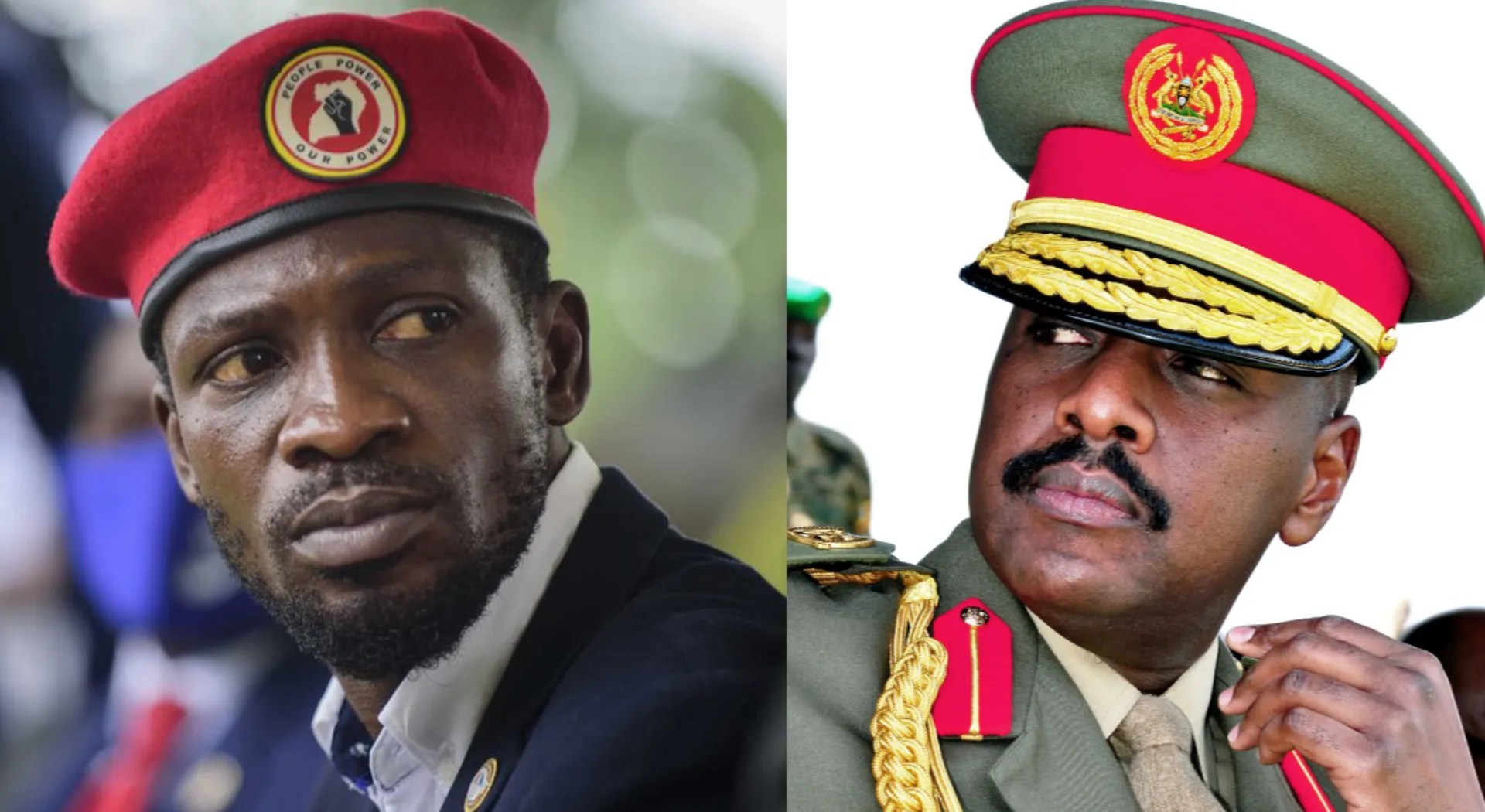
January 15, 2026 – Ugandan Presidential Election Held
Uganda conducts its presidential election. Incumbent President Yoweri Museveni is declared the winner with about 71.6% of the vote, a result rejected by opposition leader Robert Kyagulanyi Ssentamu (Bobi Wine) as fraudulent. Wine’s party garnered roughly 24.7%, and tensions escalate across the country.
January 16–23, 2026 – Opposition Leader in Hiding & Violence Reports
In the days following the election, Bobi Wine goes into hiding, claiming threats to his safety from security forces. Military and police reportedly raid his home, and his wife, Barbara Kyagulanyi, alleges she was assaulted during the operation and hospitalized, which the army chief later denies.
January 23, 2026 – Escalation of Political Tensions
Amid growing unrest, Gen. Muhoozi Kainerugaba, Uganda’s Chief of Defence Forces and son of President Museveni, intensifies pressure on Wine, including public declarations that Wine is banned from future elections and labeling him an outlaw. This broadens the political crisis.
January 30, 2026 – Muhoozi Accuses U.S. Embassy of Hiding Bobi Wine
Gen. Muhoozi posts a series of explosive messages on X (formerly Twitter) accusing the U.S. Embassy in Kampala of aiding Bobi Wine’s disappearance and alleging that Wine “kidnapped himself” with American coordination. He also announces that the Uganda People’s Defence Forces (UPDF) will suspend all cooperation with the U.S., including joint security operations in Somalia. These posts are later deleted.
Hours Later on January 30, 2026 – Muhoozi Issues an Apology
Within hours of the original accusations, Muhoozi deletes the controversial posts and issues a public apology on X. He says he had been “fed with wrong information” and that he spoke with the U.S. Ambassador to Uganda, adding that cooperation with the United States will “continue as usual.” He also thanks Uganda’s UN ambassador for helping smooth tensions.
January 30–31, 2026 – U.S. Lawmakers Rebuke the Apology
Despite the apology, U.S. Senate Foreign Relations Committee Chairman Jim Risch and other U.S. policymakers publicly reject Muhoozi’s gesture, saying he “crossed a red line” and warning that Washington may reassess its security partnership with Uganda, including potential sanctions and military cooperation reviews in response to the incident. Risch called the original statements “reckless” and emphasized that such behavior cannot be tolerated.
January 31, 2026 – U.S. Refuses to Accept the Apology
By the next day, the diplomatic fallout continues. Key U.S. officials make clear that Muhoozi’s apology is not sufficient to erase concerns about his initial claims or the implications of accusing an allied embassy of interfering in Uganda’s internal affairs. This formal rebuke signals a continued strain in Kampala–Washington relations amid ongoing political volatility.