Physical Address
Delta Corner Tower,
Waiyaki Way, Westlands, Nairobi, Kenya.
Contact us:
Email: info@todaysw.com
Physical Address
Delta Corner Tower,
Waiyaki Way, Westlands, Nairobi, Kenya.
Contact us:
Email: info@todaysw.com
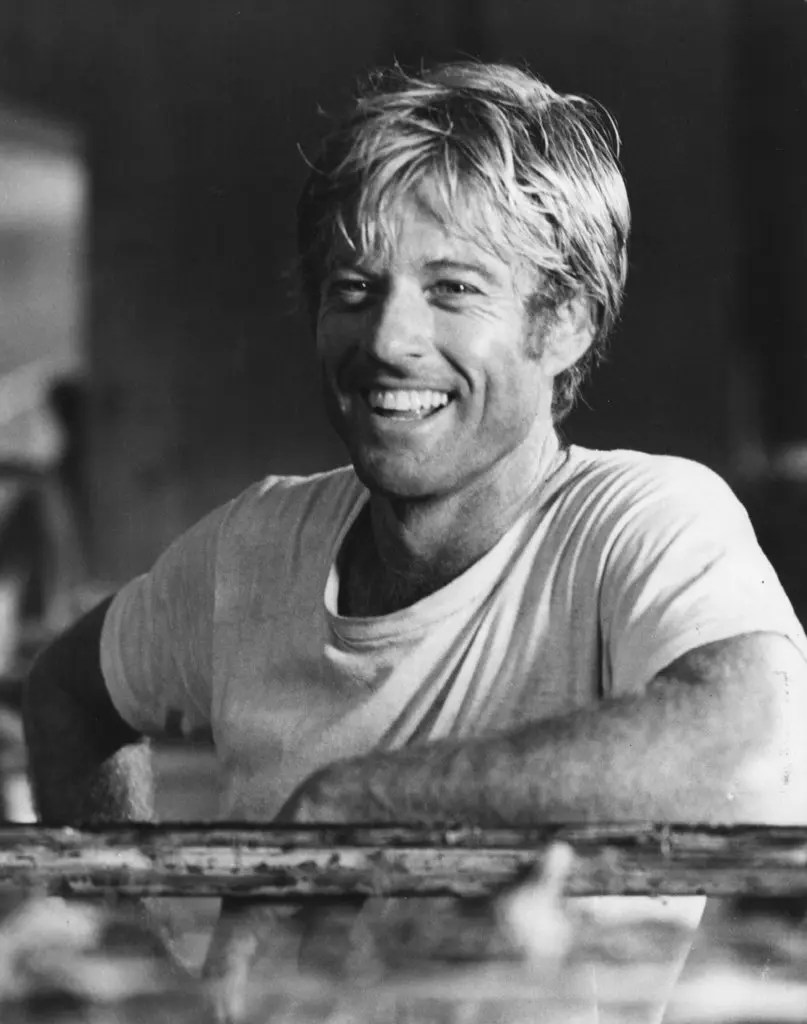
Hollywood and the global film community are mourning the death of Robert Redford, the legendary actor, director, and supporter of independent cinema, who passed away at the age of 89. Redford, one of the most recognizable faces of American film, died peacefully at his home in Sundance, Utah, surrounded by his family. His passing marks the end of an era for cinema, closing the chapter on a career that influenced generations of filmmakers and audiences alike.
Redford’s rise to fame began in the 1960s, a period when American cinema was undergoing change and renewal. His breakthrough role came in Butch Cassidy and the Sundance Kid (1969), where he starred alongside Paul Newman. The film was an instant classic, and the partnership between the two actors became one of the most beloved in Hollywood history. He followed this success with another hit, The Sting (1973), which won the Academy Award for Best Picture. These roles cemented his place as a leading man, admired not only for his looks and charm but also for his ability to bring depth to every character he played.
As the years went on, Redford continued to take on roles that balanced popularity with substance. He starred in All the President’s Men (1976), a political thriller that told the story of the Watergate scandal, a film that remains relevant for its depiction of journalism and accountability. He was also known for his work in films like The Natural (1984) and Out of Africa (1985), the latter winning seven Academy Awards, including Best Picture.
Yet Redford’s influence extended far beyond acting. In 1980, he won an Academy Award for Best Director with his film Ordinary People, a family drama that showed his talent behind the camera. It was a rare accomplishment for someone already at the top of the acting world. His directing career continued with films such as A River Runs Through It (1992) and Quiz Show (1994), further showing his commitment to stories that combined artistry with humanity.
Perhaps his most lasting contribution to film, however, came in the form of the Sundance Institute and the Sundance Film Festival, which he founded in the 1980s. What started as a small gathering in Utah grew into one of the most important film festivals in the world, a platform that gave independent filmmakers the chance to be seen and heard. Many directors who later became household names first introduced their work at Sundance, thanks to Redford’s belief that independent voices were as valuable as those from major studios.
Colleagues and admirers from around the world paid tribute to Redford after news of his passing broke. Fellow actors praised his dedication and generosity, while directors remembered him as someone who opened doors for new talent. Audiences, meanwhile, shared memories of the films that had touched their lives. His impact was felt not just in Hollywood but across the entire film industry, where his name became a symbol of quality, courage, and artistic freedom.
Redford was also known for his activism and support for environmental causes. He used his fame to raise awareness about issues such as climate change and the protection of natural lands. His commitment to these causes mirrored the values he lived by and the respect he earned outside the world of entertainment.
Looking back, Robert Redford’s life tells the story of a man who combined star power with substance, someone who never limited himself to one role. He was an actor who became a director, a director who became a mentor, and a public figure who used his influence to make a difference. Few have managed to balance these roles with such grace and consistency.
With his passing, Hollywood loses not only one of its greatest actors but also a visionary who helped shape modern cinema. His work will continue to be studied, watched, and celebrated for years to come. For fans who grew up with his movies, and for young filmmakers who found a stage at Sundance, his presence will be deeply missed.
Robert Redford leaves behind a legacy that is rich, diverse, and enduring. His contributions remind us of the power of film to entertain, to inspire, and to change lives. In every sense, he was more than just a movie star—he was a storyteller, a builder, and a guardian of cinema. His legacy will remain a guiding light for generations of artists yet to come.