Burkina Faso’s military authorities have formally outlawed all political parties and political groupings, marking one of the most drastic political resets seen in West Africa since the recent wave of coups.
The bill was adopted by the Transitional Legislative Assembly, a body appointed by the junta after it seized power, and takes immediate effect. From now on, parties are barred from operating, organizing, issuing statements, or maintaining offices. Their assets are to be frozen pending further directives from the state.
Military leaders defended the move as necessary for national cohesion. In remarks accompanying the vote, officials argued that the sheer number of parties had fragmented society, weakened state authority, and distracted the country from its central priority: fighting jihadist violence that has killed thousands and displaced millions.
President Ibrahim Traoré, who came to power in a 2022 coup, has repeatedly framed political pluralism as a luxury Burkina Faso can no longer afford during what he describes as an existential security crisis. His government says the transition period requires discipline, unity, and obedience to national objectives.
The dissolution goes further than earlier restrictions imposed by the junta, which had already suspended political activities and curtailed public demonstrations. This new law removes the legal existence of parties altogether, leaving no formal opposition structures inside the country.
International rights organizations reacted swiftly. Several described the decision as a severe setback for democratic freedoms, warning that it concentrates power entirely in military hands and eliminates peaceful channels for dissent. They also raised concerns about the lack of judicial oversight and the absence of any clear timeline for a return to civilian rule.
Regional observers say the move places Burkina Faso closer to the governance model emerging in parts of the Sahel, where military regimes have sidelined elections and political competition in favor of centralized control. Mali and Niger, both ruled by juntas, have similarly restricted party activities, though neither has fully dissolved them by law.
Inside Burkina Faso, public reaction has been muted. Open criticism of the authorities has become increasingly rare as arrests, media suspensions, and warnings against “demoralizing speech” have multiplied. Independent journalists and civil society figures now operate under tight constraints, with many choosing silence over confrontation.
The junta maintains that political parties will be allowed to return after security is restored and national reforms are completed. No date has been set. The transition timetable has already been revised more than once, extending military rule well beyond initial promises.
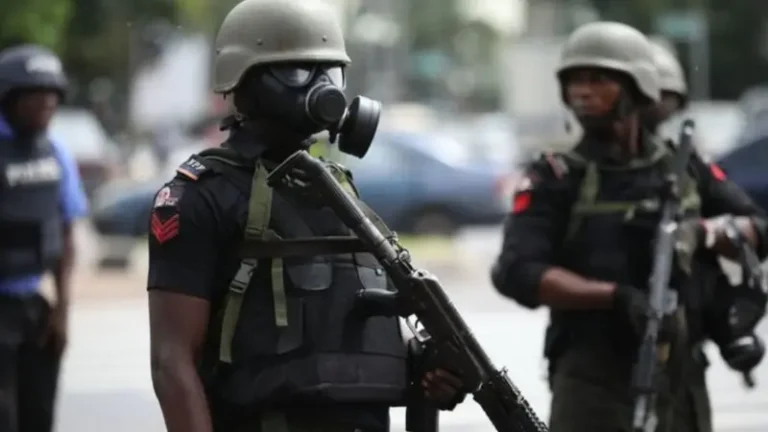
Security operations against armed groups continue across the north and east of the country, where the state controls limited territory outside major cities. Despite expanded military recruitment and closer cooperation with non-Western partners, attacks on civilians and soldiers have persisted.
The new law dissolving parties was published shortly after the vote, with instructions for local administrators to enforce it nationwide. Political offices in Ouagadougou and regional capitals remained closed as authorities moved to implement the decision.