Physical Address
Delta Corner Tower,
Waiyaki Way, Westlands, Nairobi, Kenya.
Contact us:
Email: info@todaysw.com
Physical Address
Delta Corner Tower,
Waiyaki Way, Westlands, Nairobi, Kenya.
Contact us:
Email: info@todaysw.com
Sudan’s ongoing civil war has pushed its population into one of the world’s most severe hunger crises, with more than 300,000 people at immediate risk of starvation and famine-like conditions spreading to new towns in the war-ravaged Darfur region.
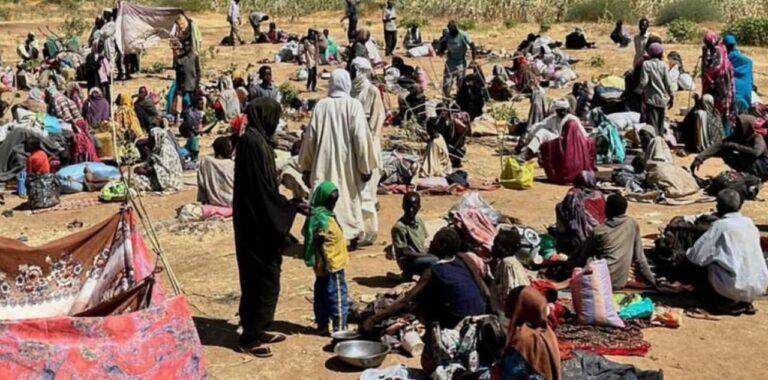
As Sudan’s brutal conflict enters its third year, a catastrophic hunger emergency is unfolding across the country, particularly in Darfur and surrounding areas where food scarcity, displacement and violence have pushed millions to the brink.
According to the Integrated Food Security Phase Classification (IPC) the internationally recognised authority on food insecurity famine thresholds have been surpassed in several Sudanese towns, including Umm Baru and Kernoi in North Darfur, where extremely high rates of acute malnutrition among children signal life-threatening conditions.
The conflict, which began in April 2023 between the Sudanese Armed Forces and the paramilitary Rapid Support Forces (RSF), has devastated agricultural production, disrupted food markets and blocked humanitarian access for millions of civilians.
The situation is particularly dire in Darfur’s remote towns, where malnutrition, violence and displacement have compounded chronic food shortages. Previous famine conditions had already been documented in the regional capital El Fasher and Kadugli in South Kordofan.
The war has forced millions from their homes, compounding vulnerability to hunger and disease. Supply routes have been cut, markets have collapsed and staple food prices have skyrocketed in many areas that were once breadbaskets for local populations.
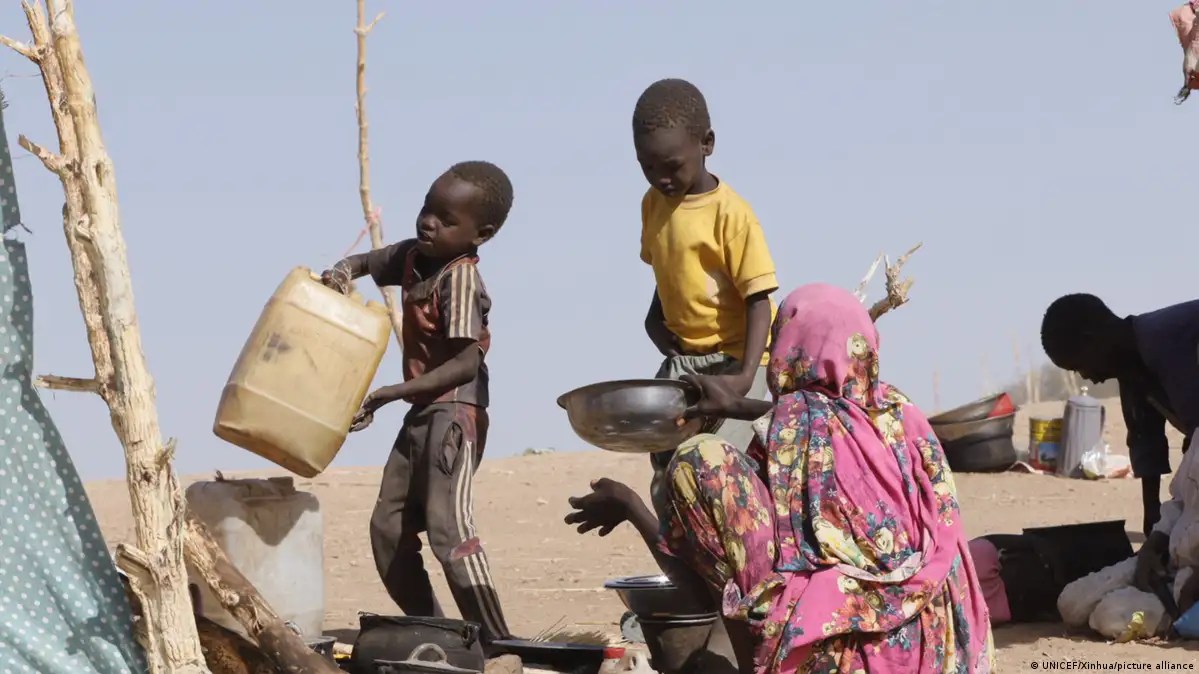
In some besieged communities, families face the unimaginable choice of foraging for wild plants to survive, while thousands of children are now at risk of lifelong health damage or death from severe malnutrition.
Humanitarian responders warn that conflict-driven barriers including active fighting, sieges, and restrictions on aid access have made it extremely difficult to deliver food, water and medical supplies to the areas most in need.
Despite pledges of international support, including a $700 million humanitarian fund launched by the U.S. and United Nations, aid operations are hindered by insecurity and logistical challenges across the country.
Mercy Corps and other aid agencies report harrowing scenes: families reduced to near-empty kitchens, parents unable to feed their children, and communities that once thrived now standing on the verge of collapse. One humanitarian worker described how people survive on “almost nothing” as conflict compounds hunger, displacement and disease.
The IPC’s urgent alerts underscore that famine is not static rather, it may spread further unless hostilities cease and sustained humanitarian access is secured. Without dramatic shifts, many regions now see hunger as an everyday risk rather than a looming threat.
Sudan’s situation now ranks among the most severe food emergencies on Earth. With more than 30 million people expected to require humanitarian aid in 2026.